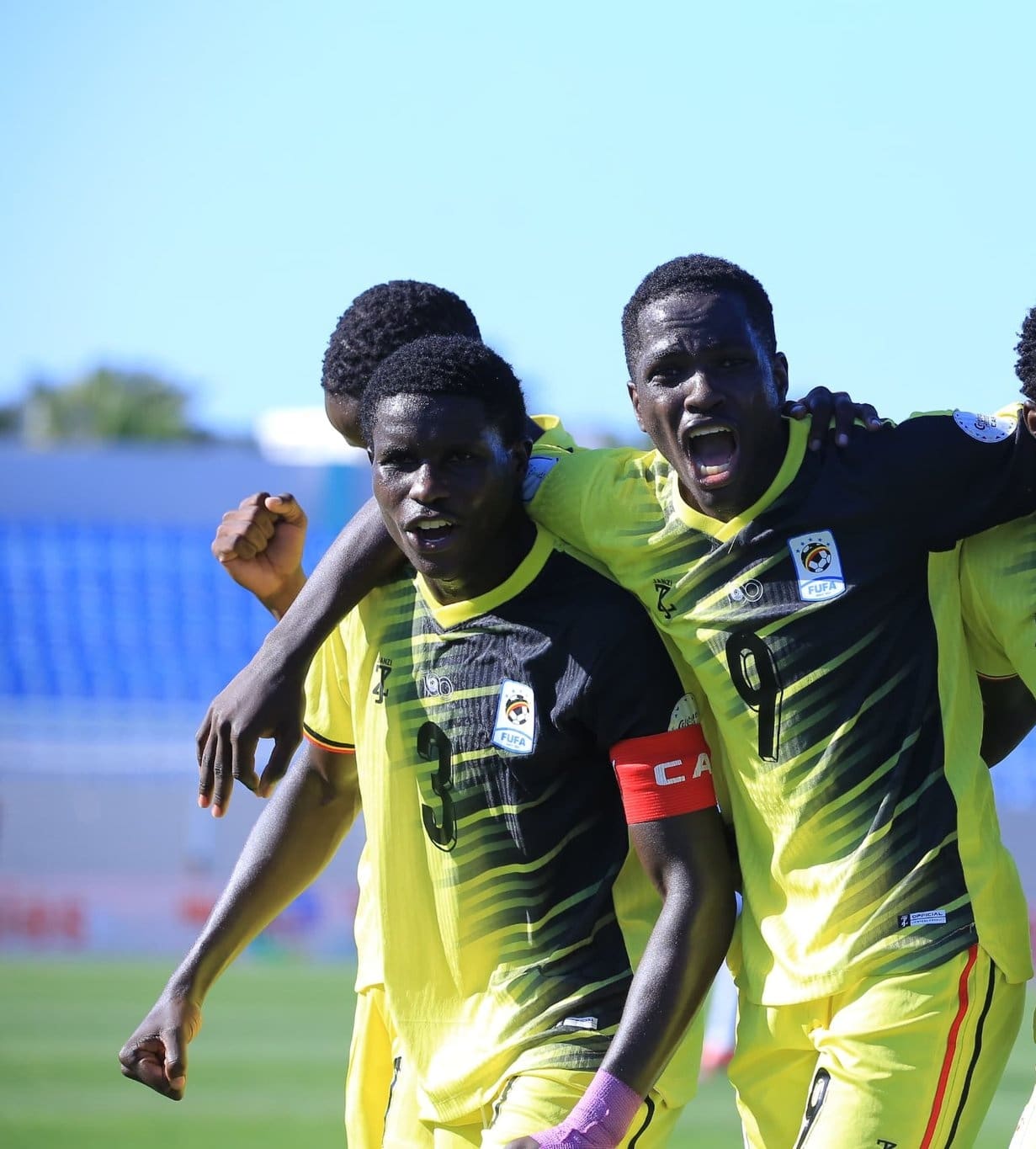
Aarhus Gymnastikforening (AGF) didn’t just sign two young talents from Masaka’s El Cambio Academy and regional side Masaka Sunshine.
They brought in teenagers already used to a demanding football environment. James Bogere and Hamuza Sengooba arrive in Denmark with different strengths, international experience, and a football education designed for Europe.
Both players featured for Uganda at the 2025 FIFA U-17 World Cup, helping the team reach the knockout rounds.
That youth experience, pressure, top opponents, unfamiliar conditions, matters. It gives them a head start when stepping into European competition.
Bogere earned a reputation as a sharp striker at El Cambio and with Uganda’s youth teams. He scored Uganda’s first ever goal at a FIFA World Cup at U17 level, showing poise when it mattered.
Quick movement, smart positioning, and calm finishing are qualities AGF can develop further in a league that rewards intelligent forwards.
Related Post
Sengooba comes in as a modern centre back tall enough, athletic, and comfortable leading the defensive line.
He captained both club and country at youth level and reads the game with maturity. His profile fits what Scandinavian coaches look for example discipline, athleticism, and the ability to organize under pressure.
El Cambio’s training mirrors European football in both style and discipline. Players are exposed to tactical work, technical detail, and life skills off the pitch.
“We have developed these boys for the European stage not Uganda market” Thomas Thor, El Cambio Academy Founder once said
Related Post
Bogere and Sengooba aren’t raw teenagers, they’re already used to structure, responsibility, and high standards after training with Aarhus Gymnastikforening before they joined.
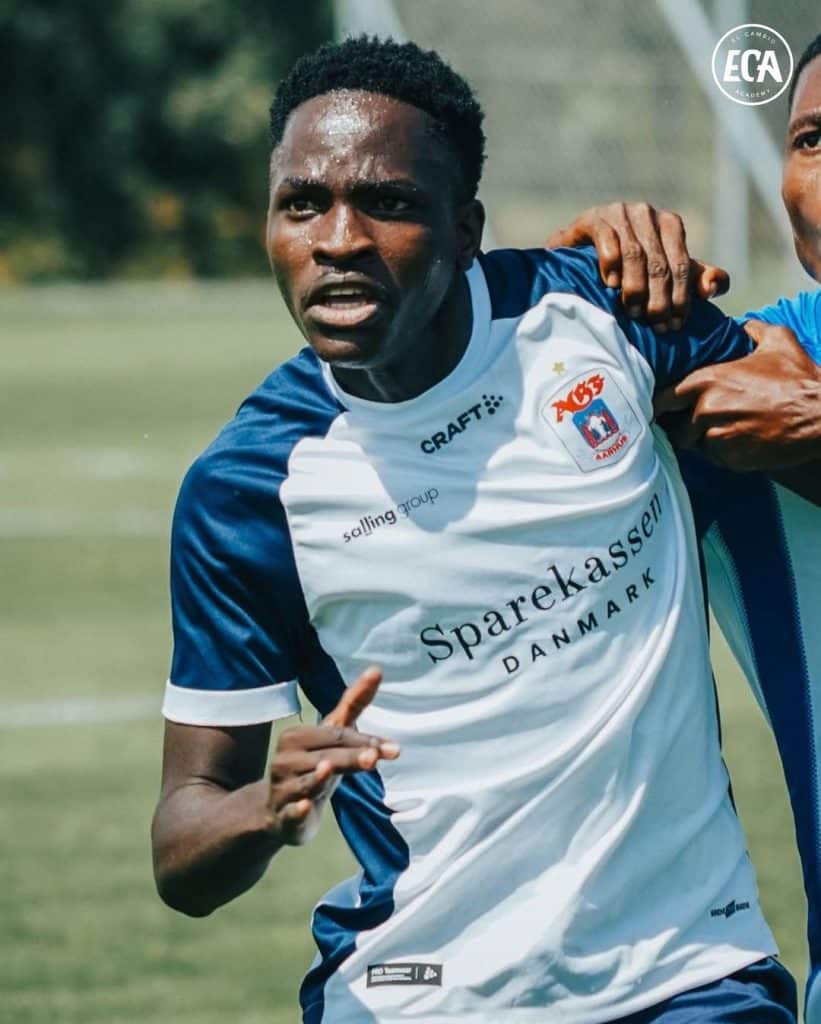
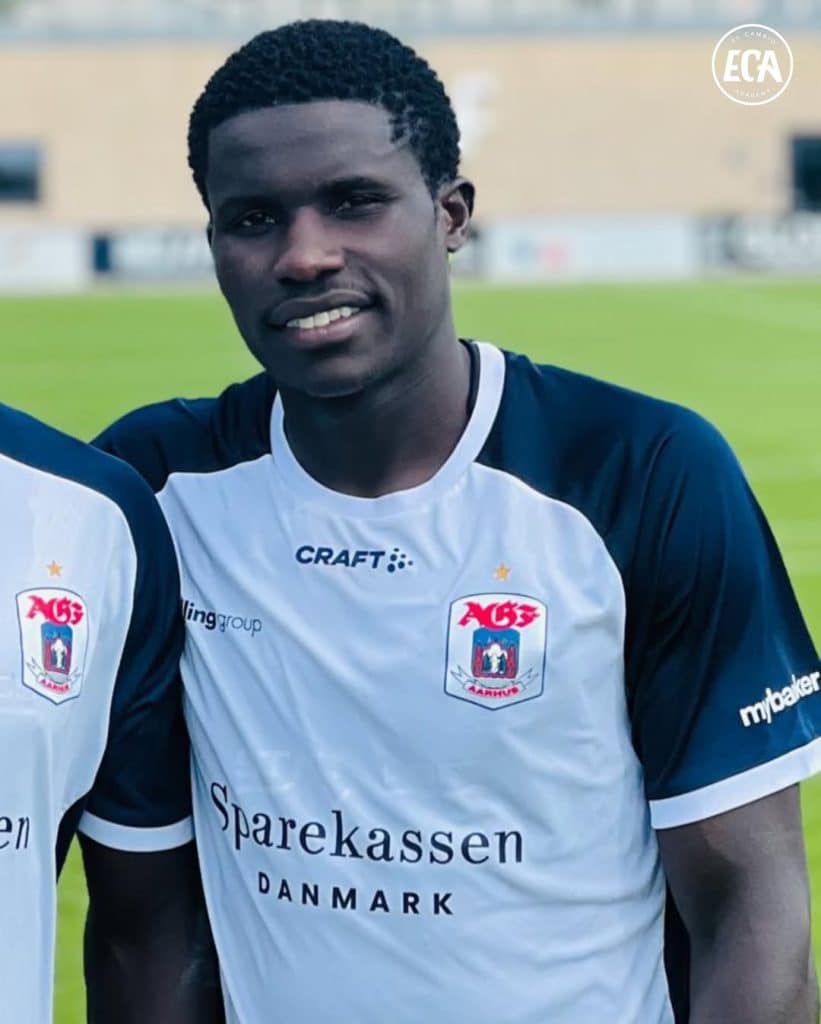
That reduces the culture shock many African players face when moving abroad.
AGF on the other side is known for trusting youth and developing them through strong academy and reserve systems like they did for Frederik Emmery, Luka Callø, Aksel Halsgaard and many others.
It’s a club that gives young players time, coaching and space to grow. For two teenagers still learning, this environment offers a realistic road toward senior football.
Why they could stand out
• International exposure: World Cup minutes matter.
• Different strengths: a goal scorer and a defensive leader, two roles every team needs.
• Strong foundation: European-style training from an early age.
• The right club: AGF has a clear pathway from youth football to the first team.
Bogere should make noise early at youth level with his movement and eye for goal.
Ssengooba will be tested in different defensive systems and partnerships, and his leadership will be key.
If they settle quickly, on and off the field, they could be in senior contention sooner than many expect.
This isn’t blind optimism. It’s based on what the two have already shown and where they’re heading.
AGF gets eager, well coached teenagers who know what international football feels like. Uganda gets two more players to watch closely as they start their European journey.
Apart from the ladies like Phionah Nabbumba, Vanessa Edith Karungi, Daphine Nyayenga and Resty Nanziri at some point, Uganda has also had some Male players playing in Denmark like Moses Opondo, Rogers Mugisha, Robin Ostrom and Robert Kakeeto.