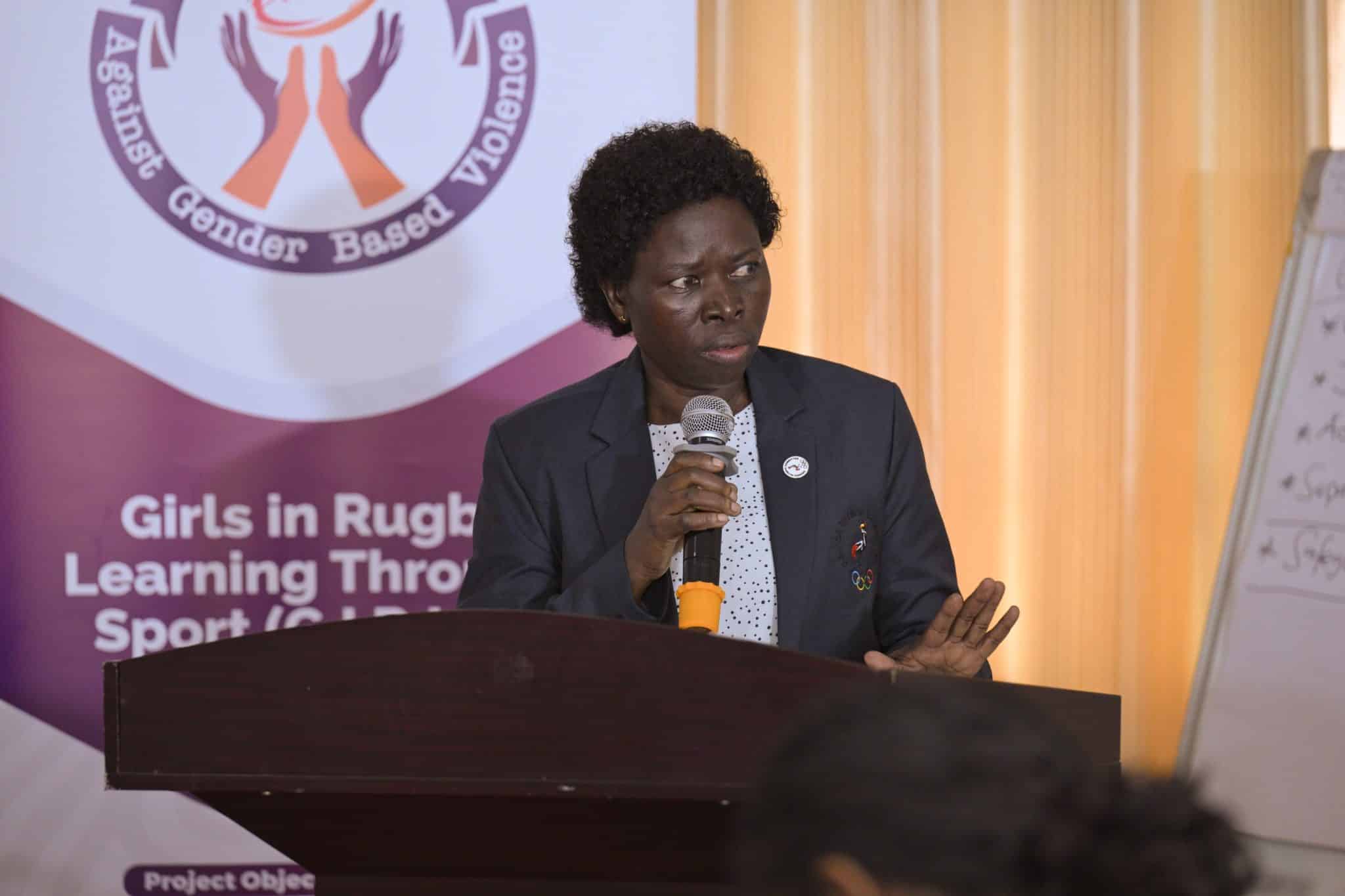
At a time when conversations about safety in sport are growing louder, the message in Entebbe on Friday was clear, the fight against Gender-Based Violence (GBV) must begin at home and extend to every playing field.
Speaking at the G.I.R.L.S engagement meeting, Beatrice Ayikoru, Secretary General of the Uganda Olympic Committee (UOC), urged parents, coaches, schools, and community leaders to see sport not just as competition, but as a tool for prevention and protection.
“Charity begins at home,” Ayikoru said, reminding parents that values are first shaped within families. She encouraged them to be actively involved in their children’s sporting journeys not only as spectators, but as guides in conversations about respect, boundaries, and empowerment.
Sport, she noted, offers a natural platform for teaching discipline, teamwork, and resilience. When guided properly, training grounds and team talks can nurture confidence, challenge harmful norms, and build communities that reject violence in all forms.
But responsibility does not rest on parents alone. Ayikoru called for families, coaches, teachers, administrators, and community leaders to work together as allies in this critical fight. Collaboration, she said, is the strongest defense against abuse.
As the week of engagement activities concludes, one theme remains urgent, safeguarding against GBV in sports.
Sport should be a safe space. Whether on dusty community pitches or polished indoor courts, boys and girls deserve environments free from fear and exploitation. GBV has no place in locker rooms, training camps, boardrooms, or federation offices.
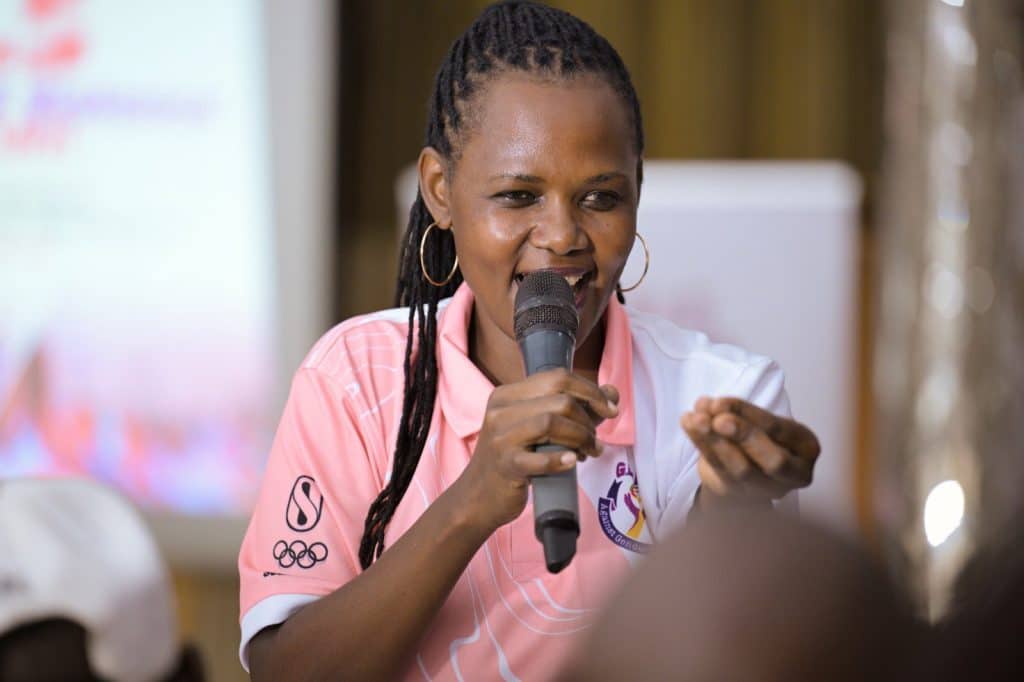
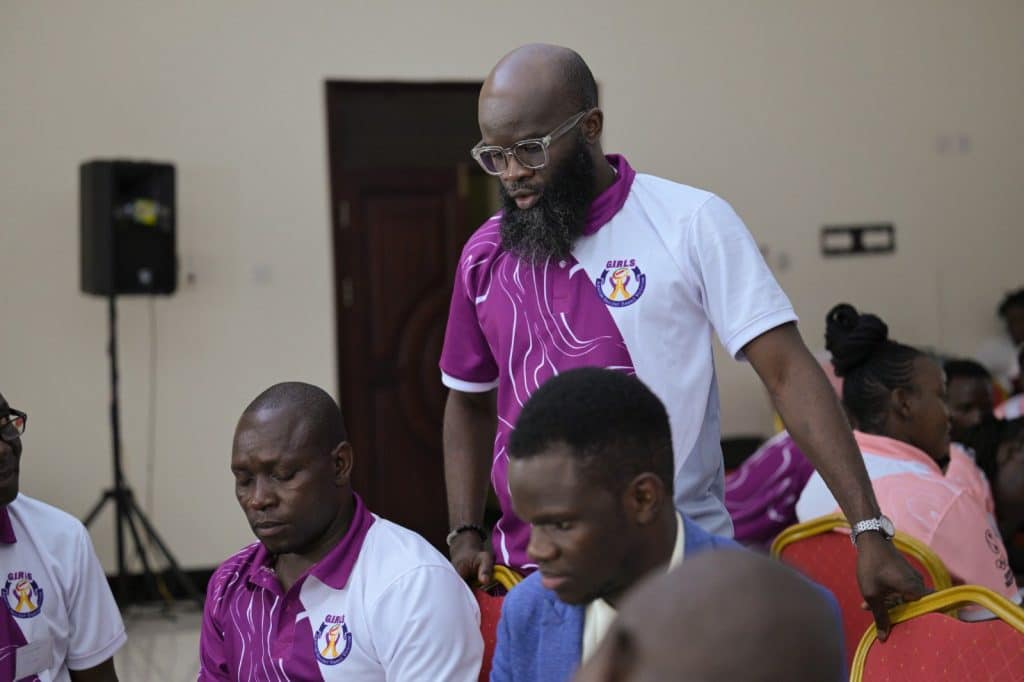
The time for awareness campaigns alone has passed. Schools, clubs, and federations must implement clear safeguarding policies, accessible reporting systems, and professional, trained personnel. Above all, they must enforce zero tolerance for abuse.
Because silence protects perpetrators.
- A culture of silence enables abuse.
- A culture of safeguarding protects athletes.
The message from Entebbe is simple: Safe Sport equals Strong Sport. When athletes feel secure, they perform better, grow confidently, and inspire others.
Safeguarding is not optional, it is everyone’s responsibility, from parents in the stands to officials in the boardroom.
If sport is to remain a force for unity and hope, protecting those who play it must come first.