The International Olympic Committee has taken a decisive step ahead of the 2028 Los Angeles Olympics, ruling that transgender women will not compete in female categories at the Games.
Under the new policy, women’s events will be reserved for biological females, with eligibility confirmed through a one-time genetic test. The IOC says the move is meant to protect fairness, safety and integrity in competition.
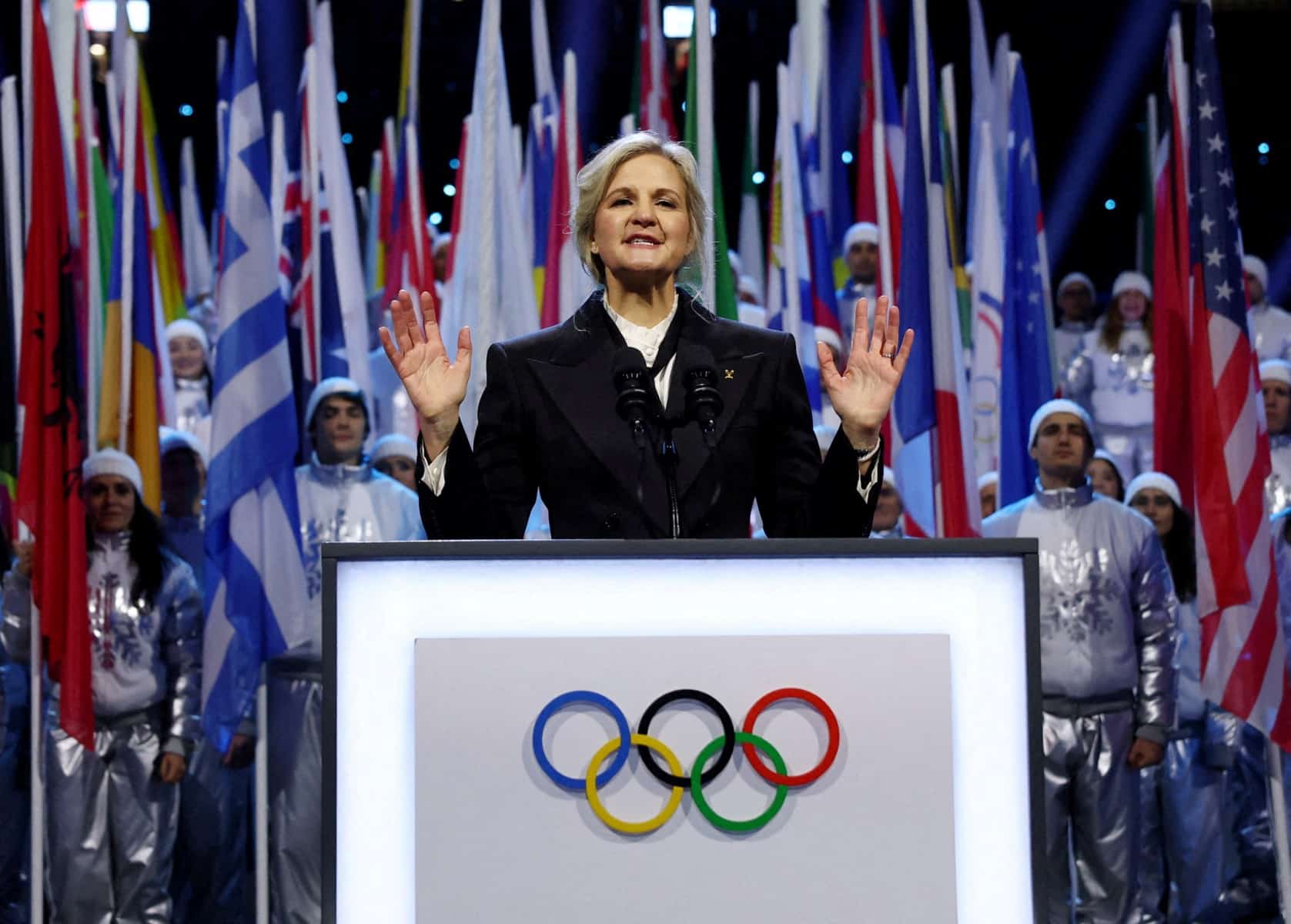
Led by president Kirsty Coventry, the decision brings all Olympic sports under one rule, ending years of differing guidelines across federations.
The IOC argues that biological differences especially the effects of testosterone from early development through puberty, create lasting advantages in strength, endurance and power. These findings shaped the new restrictions.
The policy will also affect athletes with differences in sex development, including Caster Semenya, whose eligibility has been widely debated.
While no openly transgender woman competed at the 2024 Paris Olympics, the issue has remained in focus since Laurel Hubbard appeared at the Tokyo 2020 Olympics, becoming the first to do so. Her participation sparked global debate.
The IOC says the rules will not apply retroactively and will not affect grassroots sport.
The decision shows a shift that tightens eligibility in women’s events while reopening questions about inclusion in the Olympic movement.