
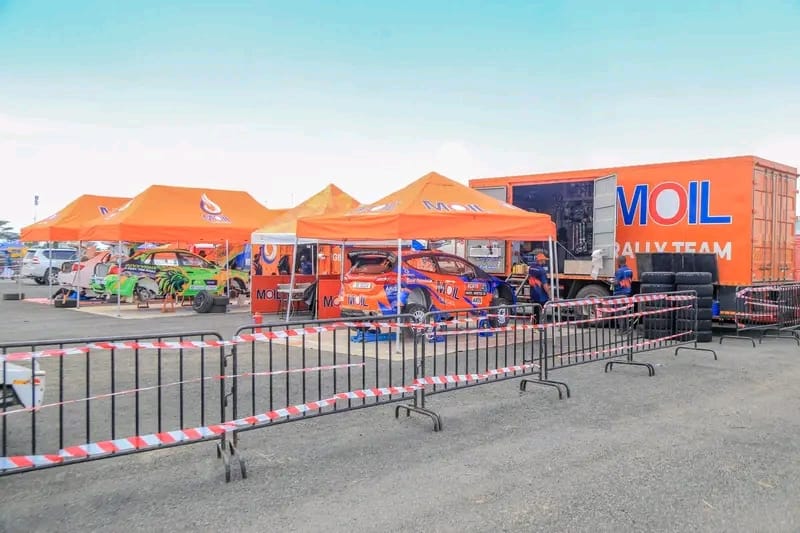
The long wait is finally over as all systems go for the 2026 edition of the legendary Safari Rally Kenya. The Naivasha Service Park is already buzzing with activity as crews make the final preparations before the action begins tomorrow morning.
Mechanics are crawling under cars tightening bolts like surgeons preparing for a complicated operation, while engineers stare at laptops hoping the suspension settings they chose will survive Kenya’s famous rocks. Drivers, meanwhile, are trying to look calm, but deep down they are probably negotiating with the rally gods to keep their tyres, shocks and dignity intact.
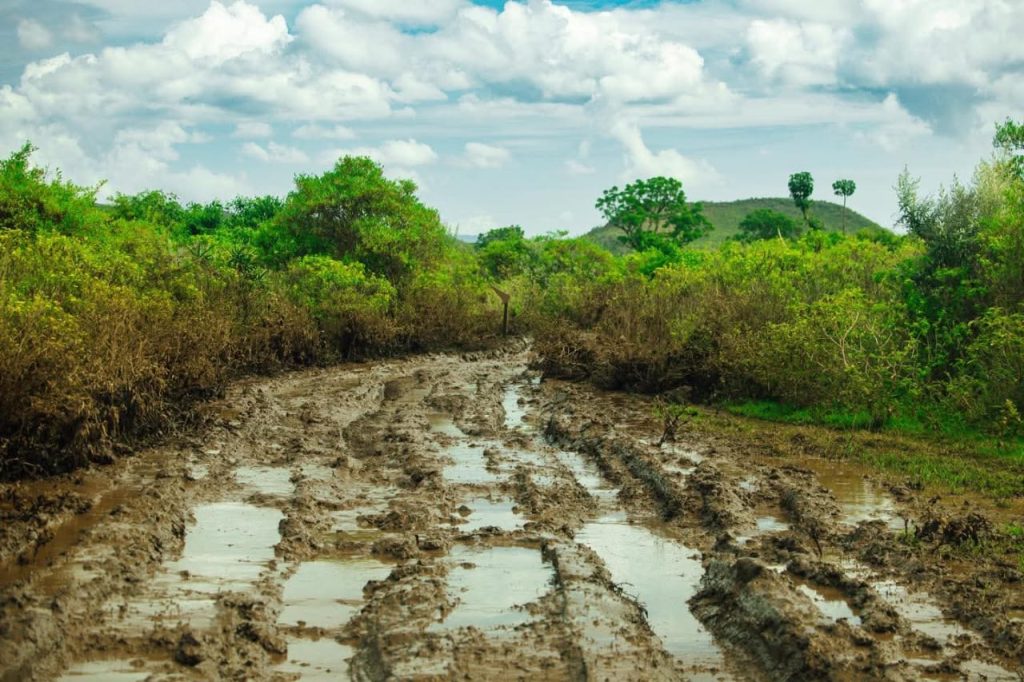
Crews have today completed their recce, familiarising themselves with what is already shaping up to be a wet and muddy route. If the weather keeps playing its tricks, some sections could easily turn into something between a rally stage and a community swamp.

The rally officially begins tomorrow with the shakedown at 8am, giving drivers the first chance to stretch their cars’ legs before the ceremonial start later in the day. After the fanfare and photos, two competitive stages will follow in the afternoon, officially launching four days of battle against the clock, the terrain and occasionally their own bravery.
The opening warm-up comes at the brand-new Nawishashakedown stage, located conveniently across the road from the service park. The stage begins with an uphill climb on a sandy and bumpy road before entering a rocky quarry at 1.47km, giving drivers a brief feeling that they have accidentally taken a wrong turn into a desert rally somewhere in Saudi Arabia.
After exiting the quarry, the road becomes extremely narrow and rough at 2.35km before widening again. The rest of the stage runs downhill with a mix of fast and rough sections, perfect for testing the car and discovering which bolt the mechanics forgot to tighten.
Next on the list is Camp Moran, which debuted last year and has already built a reputation for being about as friendly as a cactus handshake. Although slightly shortened this year, the section between 11km and 21km remains brutally rough with rocks, dips, bumps and constant elevation changes.
It is the type of stage where drivers must balance speed with survival, while co-drivers keep reading pace notes and silently praying the suspension doesn’t resign halfway through.
The Mzabibustage, located within the Morendat Farm vineyards, begins with 4.3 kilometres of narrow technical roads weaving between short trees and bushes. Drivers must thread their cars carefully here because one small mistake could easily turn a vineyard into a rally parking lot.
A high-speed section then follows on a very narrow road with grass growing in the middle which looks less like a rally road and more like a farmer’s private shortcut. At 5.9km the stage slows into a rough section before finishing on more grass-lined roads that promise to shake every bolt on the car.
Loldia returns largely unchanged after plans for a new rough section were dropped, perhaps after someone from the suspension department protested loudly. The stage begins with a mix of straights and junctions before turning narrow, slow and technical between 3.75km and 8km as the road climbs uphill.
It then descends through rough and twisty sections before opening up again later in the stage. Loldia has its own history of drama, most notably in 2021 when Thierry Neuville broke his suspension while leading the rally, proving that even championship leaders are not immune to Kenya’s stubborn rocks.
The Geothermalstage begins on a narrow bumpy road before switching to a wider and smoother section. Rough patches appear around the 4km mark and the road narrows again briefly before opening up once more.
The final section from 7.9km joins a wide road with cambered corners that feel more like Rally Mexico or the Acropolis Rally than the traditional Safari though with enough bumps to remind drivers they are still very much in Kenya.
The Kadongstage introduces a brand-new opening section that is rough and rocky, with dips and bumps that look like they were designed by a mischievous group of goats. Around half of the stage is new this year and features high-speed sections on narrow tracks connected by tricky junctions.
The highlight is the famous Mbili jump, where rally cars launch dramatically into the air before landing sometimes straight, sometimes sideways and occasionally in a manner that makes co-drivers question their life choices.
At Soysambu, the stage is run in reverse compared to previous editions. It features long high-speed sections across open terrain mixed with narrow rough roads, constantly switching between the two just to keep drivers guessing.
The final 1.5 kilometres become slow and technical near a popular spectator point. The stage has a reputation for mechanical drama; in 2024 Grégoire Munster broke the suspension of his Puma Rally1 here, while in 2022 Gus Greensmith rolled out of the rally at the same stage.
Perhaps the most anticipated stage of the rally is Sleeping Warrior, named after the mountain that resembles a Maasai warrior lying on his back. The stage has been slightly modified this year, starting with a long straight before joining last year’s route.
Drivers then face several fast straights before entering a rough forest section filled with dips and bumps. After a tight hairpin at 12.3km the road opens again into fast flowing sections. However, the biggest wildcard here is always the weather, because when rain arrives this stage can quickly transform into a muddy skating rink for rally cars.
Finally comes Hell’s Gate, one of the fastest stages of the rally. It runs on a medium-width road that encourages drivers to push hard, but the section between 5 and 7 kilometres can be tricky as large rocks have been known to appear on the racing line like uninvited spectators.
The stage ends on an open road with a tricky junction just before the finish. It was here in 2025 that Takamoto Katsuta rolled his car, reminding everyone that even the fastest stages of the Safari can suddenly become a gymnastics competition.
With 20 special stages packed into four demanding days, the Safari Rally Kenya once again promises full action and stories that teams will be telling in service parks for years to come. Unlike many rallies where outright speed decides everything, the Safari is often about survival.
Here, simply reaching the finish line can feel like winning especially when your car still has all four wheels pointing in roughly the same direction.

1 comment
All the best to team MOIL