FIFA has published a comprehensive report on the FIFA World Cup 2026, offering unprecedented insights into how the best national teams and players on the planet are reshaping the modern game.
Compiled by FIFA’s Technical Study Group (TSG) and the FIFA Football Performance Insights Department, the report is based on findings from all 104 tournament matches and combines expert football knowledge with advanced data and video analysis.
The principal findings, laid out below, highlight tactical innovation, evolving player roles, and new pathways to success at the highest level.

The report identifies counter-pressing as one of the competition’s defining trends. Top teams, such as champions Spain, regularly succeeded in turning a loss of possession into an immediate attacking opportunity.
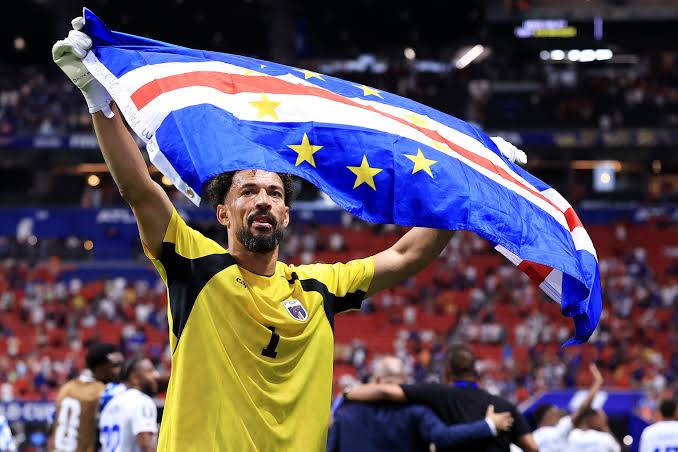
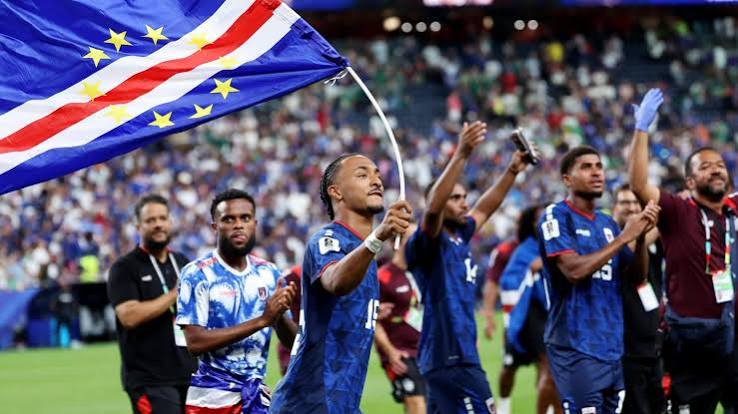
From aggressive high presses to disciplined low blocks and rapid transitions, the analysis shows that there was no single winning formula. Cabo Verde exemplified how compact defending, collective organisation, and proactive goalkeeper involvement can enable teams to compete against technically superior opponents.
Additionally, the role of the goalkeeper continued to evolve, with sides increasingly using their shot-stopper as an active participant in the build-up phase and as a solution in the quest to overcome the opposition’s press.
Through nine in-depth tactical studies, the report explores a series of critical themes, namely building with a back three, wide-player rotations, exploiting inside channels, and progression through key players.
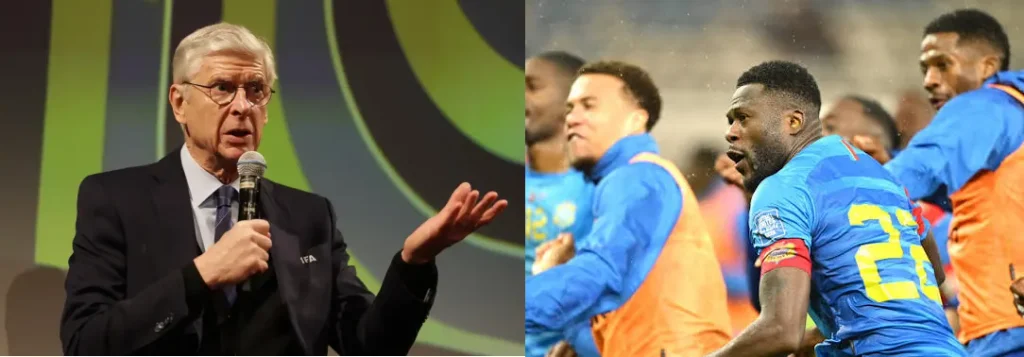
“The FIFA World Cup represents the highest level of our game, and it is a unique moment when the best players, coaches and footballing cultures from across the world come together, each bringing their own ideas, identities and ways of playing,” said FIFA Chief of Global Football Development Arsène Wenger. “For those of us responsible for understanding and developing football, it provides an extraordinary opportunity to observe the game, to learn from it and to consider where it may be heading next.
“Throughout the FIFA World Cup 2026, the Technical Study Group and the FIFA Football Performance Insights Unit observed every match in detail, combining the experience and intuition of football experts with technical analysis and data to build a deeper understanding of what was happening on the pitch.
“The objective is not simply to describe what happened, but to understand why it happened: how teams created and controlled space, how they attacked and defended, how individual roles evolved, and how the decisions of players and coaches influenced the different moments of the game,” Mr. Wenger added.
During the global event, members of the TSG and the Football Performance Insights team continually identified patterns, innovations, and emerging trends.
Following the tournament, these observations became the starting point for deeper investigation, with data and video content used to quantify their impact and compare developments with those identified at previous FIFA competitions.
“At the highest level, football is constantly evolving,” Mr. Wenger added. “New ideas emerge, existing principles are adapted and the solutions developed by one team can influence the game far beyond a single tournament. Our responsibility is therefore to identify these developments, understand their significance and share that knowledge with the global football community.”
The post-tournament report is also available on the FIFA Training Centre, providing coaches, analysts, players, and other football stakeholders worldwide with detailed insights.
It explores the game across every phase of play: from how teams constructed their attacks and progressed play up the pitch to how they pressed, defended, and reacted to changes of possession.
The report also focused on unique data depth: the FIFA Data Collection Unit captures a highly detailed dataset that goes beyond conventional event data, recording football-specific actions, interactions, and phases of play that are not routinely available elsewhere in the industry.
This was combined with highly accurate player and ball-tracking data, providing a detailed understanding of the movement and positioning of players across the pitch.
By bringing these datasets together with video content and the football expertise of the TSG, the FIFA Football Performance Insights Department is able to connect what happened with how and why it happened.
For historical context and future developments, the findings are also compared, where possible, with those identified at previous FIFA tournaments. This historical context allows FIFA to look beyond the characteristics of a single competition and identify broader changes taking place within the game.
“The FIFA World Cup shows us football at its very best, but its greatest value is not only in celebrating what we have seen. It is in using what we have learned to help shape further developments,” underlined Wenger.