
More people are joining, but without better support, many young players are quietly leaving the game..
Uganda Rugby is growing. At least, that’s what the numbers say, more players are being registered. More reports are being written. Data systems are improving. The language of modern sport – Analytics and performance tracking are now part of administration.
On the surface, this looks like progress but beneath these numbers lies a deeper Concern: the game may be expanding on
paper while shrinking where it matters most – on the ground, in communities, and in the lives of players who quietly walk
away.

Numbers are rising. But numbers do not stay. People do.
Having served Ugandan rugby in different capacities, from player at both club and national team level, national team manager, URU Executive Committee member in charge of Women’s Rugby, World Rugby Executive leadership scholar, educator, and referee, coach, mentor, founder of a sports club; Member of the Rugby Africa Womens Advisory Committee, and Chairperson for Sustainability in Sport at the Uganda Olympic Committee, and now pursuing a postgraduate degree
In studies in Sports Management and Technology, I have seen the game from almost every angle. One thing is clear: Uganda Rugby is getting better at counting players, but not yet at keeping
them.
Across the country, the grassroots effort is remarkable. In schools and communities, young boys and girls train with discipline and passion. Coaches give their time freely. Some even use personal funds to transport teams to competitions.
Teachers sacrifice weekends to keep rugby programmes alive, this is where rugby is truly built, not in boardrooms but on fields, in classrooms, but through the daily commitment of volunteers and young athletes.
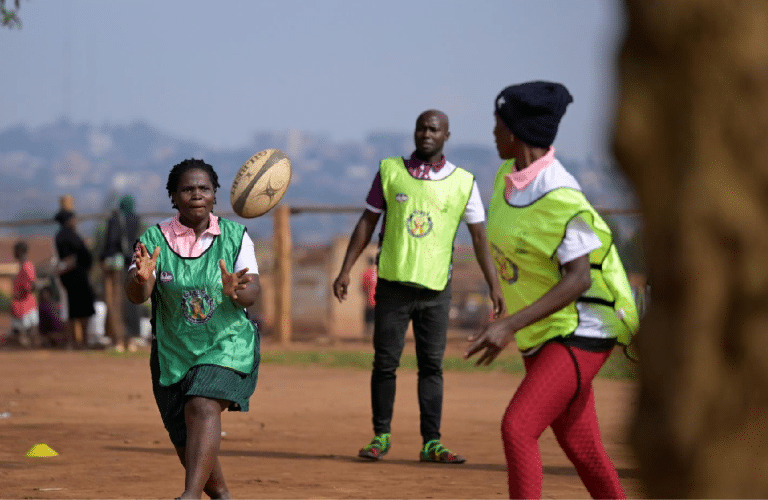
Yet too often, attention is focused on what is easy to see: tournaments played, teams registered, reports submitted while ignoring what is harder to measure.
What is visible is participation, What is invisible is attrition and it is the invisible that shapes the future.
In many parts of Uganda, a young player can spend years learning rugby, only to leave shortly after finishing school, not because they lack talent, but because there is no clear pathway into clubs or continued participation.
Participation is easy to measure, Retention reveals the truth, Players do not leave spreadsheets, Players leave systems. Every player who leaves takes with them confidence, discipline, and opportunity. It is also a loss of investment in coaching, time, and potential national development.
Sport in Uganda is more than competition. It plays a role in building character, promoting health, and creating opportunities for young people. In a country with a youthful population, losing young people from organized sport should concern all stakeholders – not just rugby administrators. This issue is especially visible in women’s rugby.
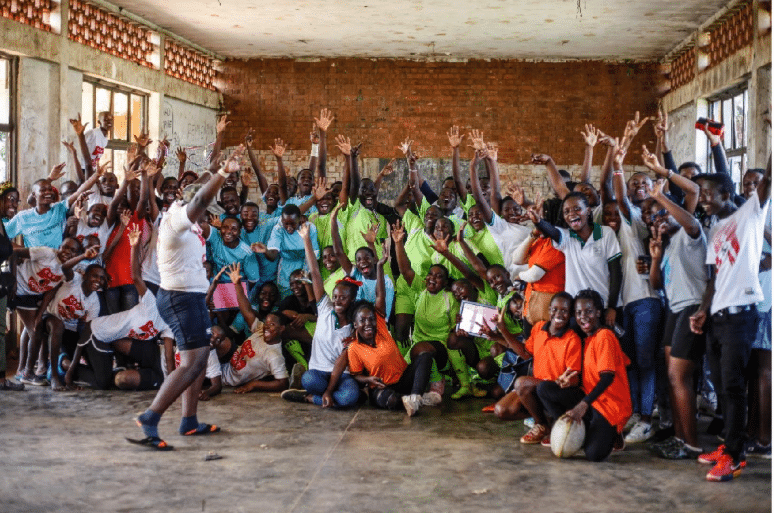
Uganda has made important progress in introducing girls to the game. But introduction is not enough. Many girls start playing rugby in school, but drop out after graduation because opportunities are limited. unaffordable, or poorly structured opportunities to continue playing.
The future of women’s rugby will not depend on how many girls try the sport once, but on how many remain in it over time. If players cannot see a future in the game, they will leave. This is where leadership becomes critical.
Modern sport requires more than passion. It requires clear planning – what to prioritize, what to measure, and how to support players beyond the first stage. At the moment, there is a risk of focusing more on measuring participation than on building
systems that sustain it.
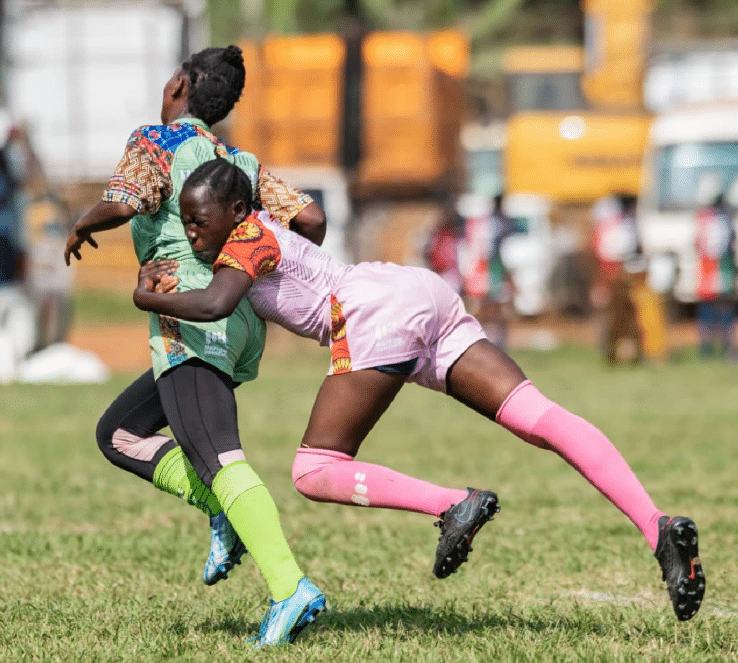
Data alone cannot grow sport. When systems are weak, trust declines, Coaches begin to see reporting as a burden. Schools submit information without feedback, Volunteers lose motivation when support does not follow effort.
Data cannot replace trust and grassroots sport depends on trust, true sustainability in sport is not about how many players join each year. It is about how many stay, grow, and benefit in the long term.
Uganda Rugby has strong foundations; passionate players, committed volunteers, and growing interest among young people but potential must be supported by systems. The Union now faces a clear choice: continue focusing on participation numbers, or invest more in retention, player welfare, women’s rugby, and clear pathways from school to club and beyond.
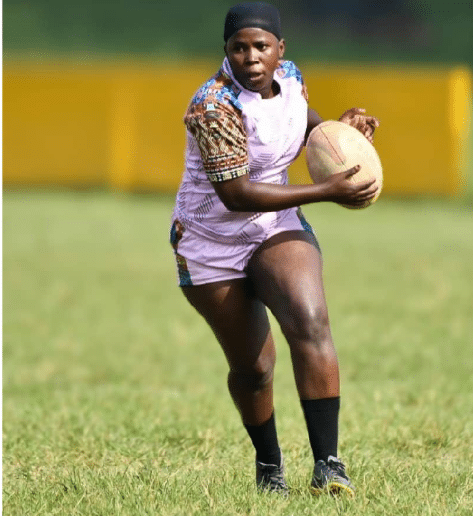
One approach creates numbers, the other builds a future. The real question is not whether Uganda Rugby can collect data. It is whether leadership is ready to use that information to make decisions, even when the answers are difficult.
Somewhere in Uganda today, a young player is deciding whether to return to training or to leave the game. In the end, the strength of rugby will not be measured by how many players it attracts, but by how many it is able to keep.


1 comment
Very true. Uganda has many talented female rugby players, but too many leave the sport because they don’t see a sustainable future in it. The focus must shift from simply increasing participation to creating systems that retain, develop, and support athletes over the long term.