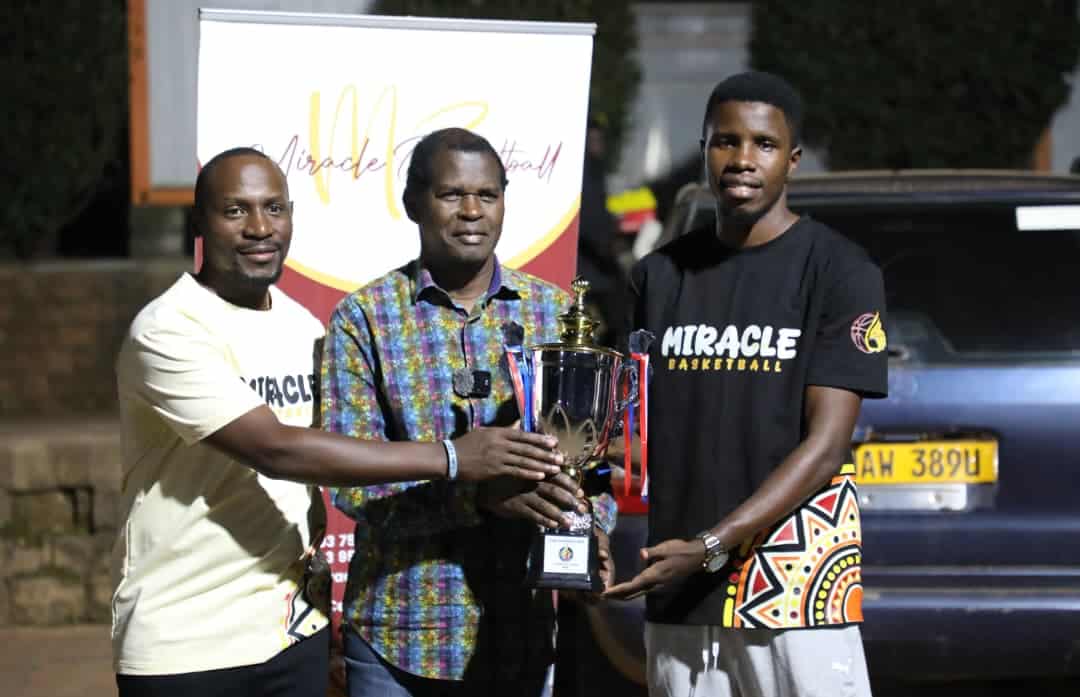
Miracle Eagles may have missed out on promotion to the National Basketball League (NBL), but they have something special to show for their season.
The side has been named the most disciplined team in the FUBA Division I playoffs, a recognition that reflects the influence of head coach Tonny Drileba and the culture he has built within the young squad.
For Drileba, the award means more than adding another trophy to the cabinet. It is proof that his players understood what it meant to represent Miracle Centre Cathedral, both on and off the court.

That achievement brought the team together at Miracle Centre Cathedral in Rubaga for a celebratory dinner, where players and management commemorated a season that did not end with promotion but still delivered a moment worth remembering.
Miracle Eagles finished fourth in the regular season after a remarkable recovery from eighth place at the halfway mark. They had made changes to their squad, releasing some players and bringing in fresh faces, but it took time for the new group to settle.
Once they found their rhythm, however, the young Eagles became a difficult side to overlook. Their run eventually ended in the quarter-finals against KIU Titans, who went on to finish as runners-up and secure promotion alongside champions Watoto Basketball Club.
While Watoto and KIU celebrated their return to the top flight, Miracle Eagles found satisfaction in a different achievement.
Drileba, a nine-time National Basketball League champion, believes the award speaks volumes about the attitude of his players and their willingness to learn.
“I believe we’ve had a very good group of players, a young team. They are very eager to learn and very disciplined. I think us getting this trophy is a testament to the fact that they were disciplined throughout the season,” he said.
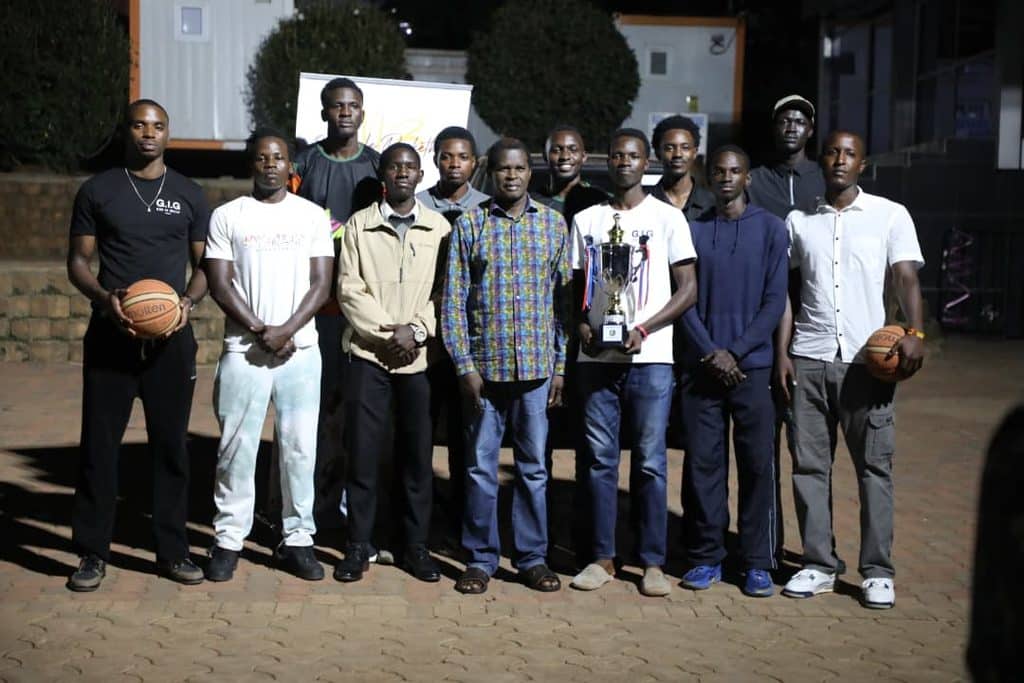
From the start, Drileba wanted his players to understand that they were carrying the name of an organisation bigger than themselves.
“Right from the start of the season, one of the things we emphasized was the fact that we are a basketball team representing an organisation that’s bigger than us. We represent Miracle Centre,” he explained.
“The way they carried themselves during the games and even off the court got them to this position because this is not an easy award to win. It takes a certain level of consistency. I’m very proud that we represented this organisation well.”
That approach has become an integral part of Drileba’s coaching journey. Although widely remembered for his success as a player, he has also invested heavily in grassroots basketball, youth mentorship, and formal FIBA coaching development.
At Miracle Eagles, that influence is evident in the way the players approach the game, understand their responsibilities, and interact with opponents.
Drileba also has plenty on his plate. Besides coaching Miracle Eagles, he serves as co-coach of KCCA Leopards alongside Ben Komakech and continues to play for the Namuwongo Blazers.
He says balancing these three responsibilities has not been difficult because training schedules rarely clash, and the varied practice sessions allow him to fulfil all his commitments.
On the court, however, his immediate concern is helping Miracle Eagles take the next step. The coach believes their quarter-final elimination was the result of shortcomings that began long before their two games against KIU.
“Everything we did leading up to those games in the quarter-finals is why we lost. We can’t really say we lost simply because of those two games,” he said.
He admitted that Miracle Eagles could have secured promotion had the tie gone their way, but he insists the club must improve its preparation, recruitment, and overall performance. “The goal will remain the same: to qualify for the NBL, and that’s what we’ll push for,” he added.
At the dinner, Miracle Centre Cathedral lead pastor Robert Kayanja was equally pleased with the recognition, but used the occasion to remind the team that building a lasting organisation requires more than winning basketball games.
Pastor Kayanja, who has played a key role in the club’s development alongside its executive team, wants Miracle Eagles to become an institution that can stand on its own long after the current players and officials have moved on.
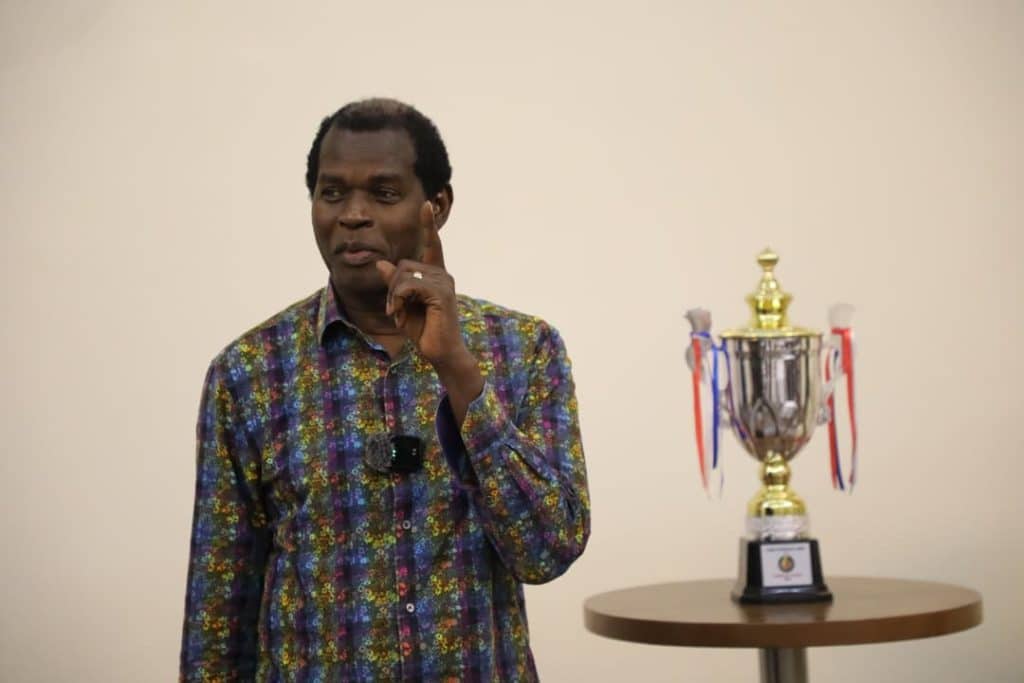
“People come and go, but in Africa, we rarely see such lasting institutions in sports, business, or other aspects of life because we focus on individuals rather than building something designed to endure,” he noted.
For Kayanja, sport has a much bigger purpose than competition. It shapes young people, teaches responsibility, and prepares them for life beyond the playing field.
“First and foremost, many don’t realize that sports is business. Secondly, people overlook that sports is life. Thirdly, sports is one of the natural beauties of life, it builds character. It’s like the military,” he said.
He pointed to the UPDF and the United States Army as examples of institutions where discipline and character are central to identity. “You can have power, but you can never sustain it without discipline,” he added.
Kayanja was particularly proud that Miracle Eagles earned the Fair Play Award ahead of every other team in the division, including the champions.
“This is our reason to celebrate. When they evaluated all the teams, the league was proud to say, ‘This is the benchmark. It is you guys,'” he said. “You can reach any level, but character and discipline are what will keep you there.”
He wants the club to carry that message into its 2027 advertising campaigns and team merchandise, embedding character and discipline into the Miracle Eagles identity.
He also challenged the media team to compile footage from the organisation’s football and basketball activities into a promotional video showcasing their work in developing youth sports and providing a positive environment for young people.
Kayanja believes such a production will help address parents’ concerns about their children’s welfare in sports and highlight the organisation.